Effective Workouts for Hormonal Health: PCOS, Endometriosis, Thyroid & More
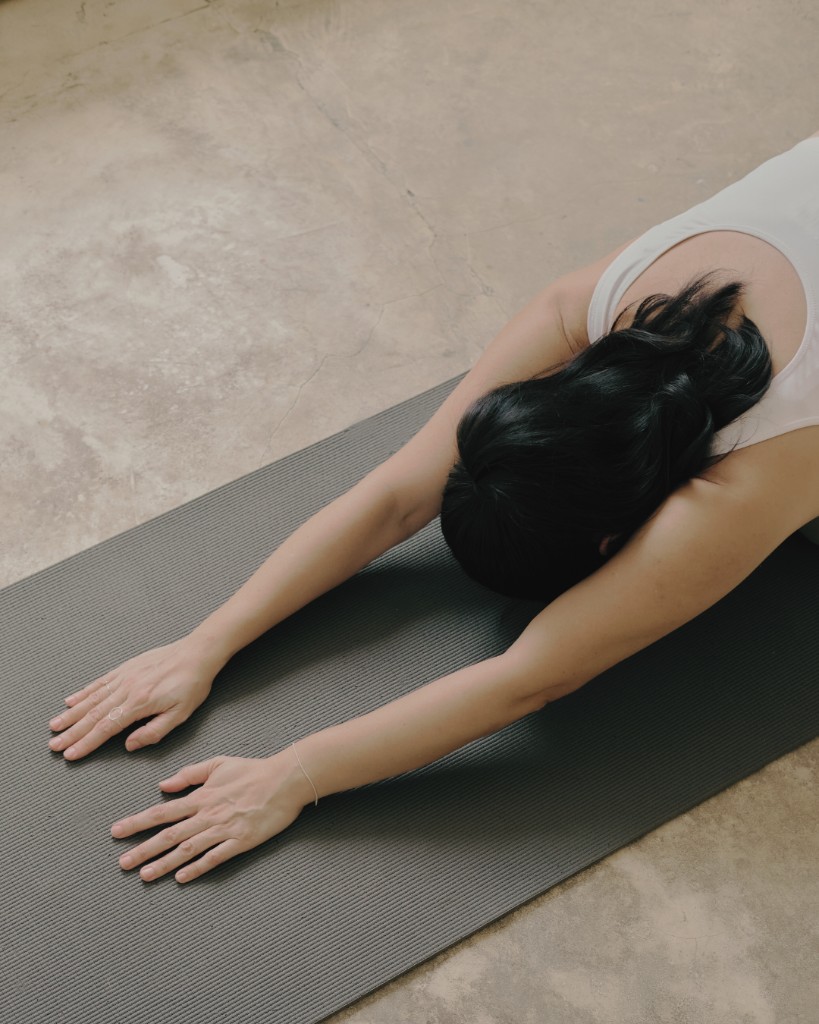
Here at Ayla Wellness, we believe that movement is medicine, especially when it comes to hormonal disorders.
Conditions such as polycystic ovary syndrome (PCOS), endometriosis, and thyroid imbalances can all affect energy, metabolism, and overall wellbeing. The right hormone-balancing workouts can make a huge difference, helping to regulate insulin, reduce inflammation, boost mood, and restore balance.
Below, we break down the most effective exercise routines for hormonal health, tailored to different conditions and supported by research.
Targeted workouts for hormonal conditions
PCOS (Polycystic Ovary Syndrome)
Why exercise matters
PCOS is one of the most common endocrine disorders among women of reproductive age, characterized by symptoms like irregular periods, elevated androgens, and insulin resistance. A structured PCOS exercise plan can significantly improve metabolic health and regulate cycles.
Recommended workouts
- Aerobic activity: Aim for 150-300 minutes of moderate-intensity or 75-150 minutes of vigorous aerobic exercise weekly ( Sabag et al., 2024 ).
- Vigorous exercise: At least 120 minutes per week may significantly improve metabolic markers like VO₂ max, BMI, and insulin resistance ( Patten et al., 2020 ).
- Moderate-intensity aerobic: Proven effective for reducing BMI ( Motaharinezhad et al., 2024 ).
- Mixed training: Combining aerobic and resistance training enhances insulin sensitivity and reduces abdominal fat more than either alone ( Motaharinezhad et al., 2024 ).
- Daily habits: The Androgen Excess and PCOS Society recommends 30 minutes of moderate-to-vigorous activity daily, think walking, intervals, or aerobics ( Healthline ).
- Cardio + strength: A balanced approach of cardio plus resistance is beneficial ( Nuffield Health ).
Sample weekly plan
- Monday: 30 min brisk walk + 20 min bodyweight strength (e.g., squats, lunges)
- Tuesday: Rest day
- Wednesday: 40 min moderate-intensity aerobics or cycling
- Thursday: Rest day
- Friday: 30 min interval training (e.g., 1-min jumping jacks, 1-min rest)
- Saturday: Resistance training (bands or weights) for 30 min
- Sunday: Light yoga/stretching (Pilates or bodyweight exercises)
Endometriosis
Why exercise matters
Living with endometriosis often means navigating chronic pelvic pain, fatigue, and emotional distress. While medical treatments are essential, adding endometriosis relief exercises can provide a complementary path to easing symptoms and improving quality of life.
Recommended workouts
- Walking: Start with gentle walking (e.g., 15 min a few times per week) and increase gradually.
- Moderate aerobic activity: Target 150 minutes weekly, including walking, swimming, or cycling ( Medical News Today ).
- Gentle yoga: Techniques such as Hatha, Yin, or restorative yoga help release tension and ease pelvic discomfort ( Healthline ).
Sample weekly plan
- Monday: 20 min restorative yoga (Child's Pose, pelvic tilts, Cat-Cow)
- Tuesday: Rest day
- Wednesday: 30 min brisk walk or light cycling
- Thursday: Rest day
- Friday: 20 min Pilates-inspired strength and core stability
- Saturday: Rest day
- Sunday: 20-30 min gentle stretching and breathwork
Thyroid disorders (hypothyroidism & hyperthyroidism)
Why exercise matters
Thyroid disorders affect metabolism, energy balance, and weight regulation. Hypothyroidism often causes fatigue, weight gain, and joint stiffness, while hyperthyroidism may lead to muscle weakness, anxiety, and unintentional weight loss. Tailored thyroid-friendly workouts can help restore balance, support metabolism, and improve quality of life.
Recommended workouts
- Strength training: Building lean muscle is particularly important for hypothyroidism, as it helps counter slowed metabolism and supports healthy weight.
- Moderate aerobic exercise: Brisk walking, cycling, or swimming can reduce fatigue and improve cardiovascular health without overwhelming the body.
- Low-impact mind-body workouts: Yoga and Pilates help regulate cortisol, improve flexibility, and ease stress, important for both hyper- and hypothyroidism.
- Avoiding overexertion: People with thyroid disorders may need to pace themselves, as overly intense workouts can worsen fatigue or increase cortisol.
Studies show that both aerobic exercise (like walking or cycling) and resistance training (like weightlifting or bodyweight moves) can improve energy levels, mood, and quality of life for people with thyroid disorders. Combining cardio and strength training seems to bring the best results for metabolism and overall health ( Duñabeitia et al., 2023 ;{' '} Ahmad et al., 2023 ).
Sample weekly plan
- Monday: 30 min brisk walk + 15 min light strength training
- Tuesday: Rest day
- Wednesday: 20-30 min swimming or cycling at a steady pace
- Thursday: Rest day
- Friday: 20 min resistance training (bands or weights) + 10 min walk
- Saturday: Rest day
- Sunday: 20 min yoga or Pilates for stress relief
Holistic hormonal health tips
Exercise isn't just good for fitness; it also supports your body's delicate hormone balance. Regular movement helps regulate insulin, cortisol, estrogen, and progesterone, which are key hormones affected in conditions like PCOS, endometriosis, thyroid disorders, and menopause.
Health experts note that consistent activity, whether it's walking, yoga, strength training, or a mix of workouts, can help lower inflammation, reduce stress, improve mood, and even lower long-term risks of heart disease and certain cancers ( Women's Health, 2025 ).
The{' '} American Heart Association{' '} also recommends a simple baseline for overall hormonal and cardiovascular health:
- 150 minutes of moderate aerobic activity per week (like brisk walking, swimming, or cycling), or 75 minutes of vigorous aerobic activity (like running or interval training).
- Strength or resistance training at least two days per week to keep muscles and bones strong.
The most important takeaway: consistency matters more than intensity. Gentle, regular movement that you actually enjoy is the best way to keep hormones in balance and feel supported.
Final thoughts
Every woman's body is unique, and so is her hormonal health journey. Whether you're following a PCOS workout plan, trying exercises for endometriosis relief, or seeking thyroid-friendly fitness routines, the key is consistency, balance, and listening to your body.
At Ayla Wellness, our vision is to empower women with the knowledge and tools to move in ways that support hormone balance, build resilience, and promote long-term wellbeing.
{ e.preventDefault(); setRoute('waitlist'); }}> Join Ayla's waitlist {' '} for cycle-aware movement guidance as we build the app.
References
- Sabag A, Patten RK, Moreno-Asso A, et al. Exercise in the management of polycystic ovary syndrome: A position statement from Exercise and Sports Science Australia. J Sci Med Sport. 2024;27(4):668-677. doi:10.1016/j.jsams.2024.05.015
- Patten, R. K., Boyle, R. A., Moholdt, T., et al. (2020). Exercise Interventions in Polycystic Ovary Syndrome: A Systematic Review and Meta-Analysis. Frontiers in physiology, 11, 606.{' '} https://doi.org/10.3389/fphys.2020.00606
- Motaharinezhad, F., Emadi, A., Hosnian, M. et al. The effects of different exercises on weight loss and hormonal changes in women with polycystic ovarian syndrome: a network meta-analysis study. BMC Women's Health 24, 512 (2024).{' '} https://doi.org/10.1186/s12905-024-03297-4
- Nall R. Exercise for PCOS: Sample plan, types of exercise, and more. Healthline.{' '} https://www.healthline.com/health/womens-health/exercise-for-pcos
- Tyler O. How exercise can help with PCOS. Nuffield Health.{' '} https://www.nuffieldhealth.com/article/how-exercise-can-help-with-pcos
- Lillis C. Endometriosis exercises: tips and more. Medical News Today.{' '} https://www.medicalnewstoday.com/articles/endometriosis-exercise
- Cronkleton E. Yoga for endometriosis: 8 poses to relieve pelvic pain. Healthline.{' '} https://www.healthline.com/health/fitness/yoga-for-endometriosis
- Duñabeitia I, González-Devesa D, Varela-Martínez S, et al. Effect of physical exercise in people with hypothyroidism: systematic review and meta-analysis. Scand J Clin Lab Invest. 2023 Dec;83(8):523-532. doi: 10.1080/00365513.2023.2286651. PMID: 37999992.{' '} https://doi.org/10.1080/00365513.2023.2286651
- Ahmad AM, Serry ZH, Abd Elghaffar HA, et al. Effects of aerobic, resistance, and combined training on thyroid function and quality of life in hypothyroidism. A randomized controlled trial. Complement Ther Clin Pract. 2023 Nov;53:101795. doi: 10.1016/j.ctcp.2023.101795.{' '} https://doi.org/10.1016/j.ctcp.2023.101795
- Soto T. Hormone balancing isn't what you think it is, according to doctors. Women's Health. Published 2025 Jul 9.{' '} https://www.womenshealthmag.com/health/a65338861/guide-to-hormone-balancing/